logo

Shenzhen UNIKE Technology Limited sales@unike.cc 86-158-1737-7218

Bizim Hakkımızda
Neden Bizi Seçmelisiniz?
Daha fazlasını izle
Shenzhen UNIKE Technology Limited

Yüksek Kalite

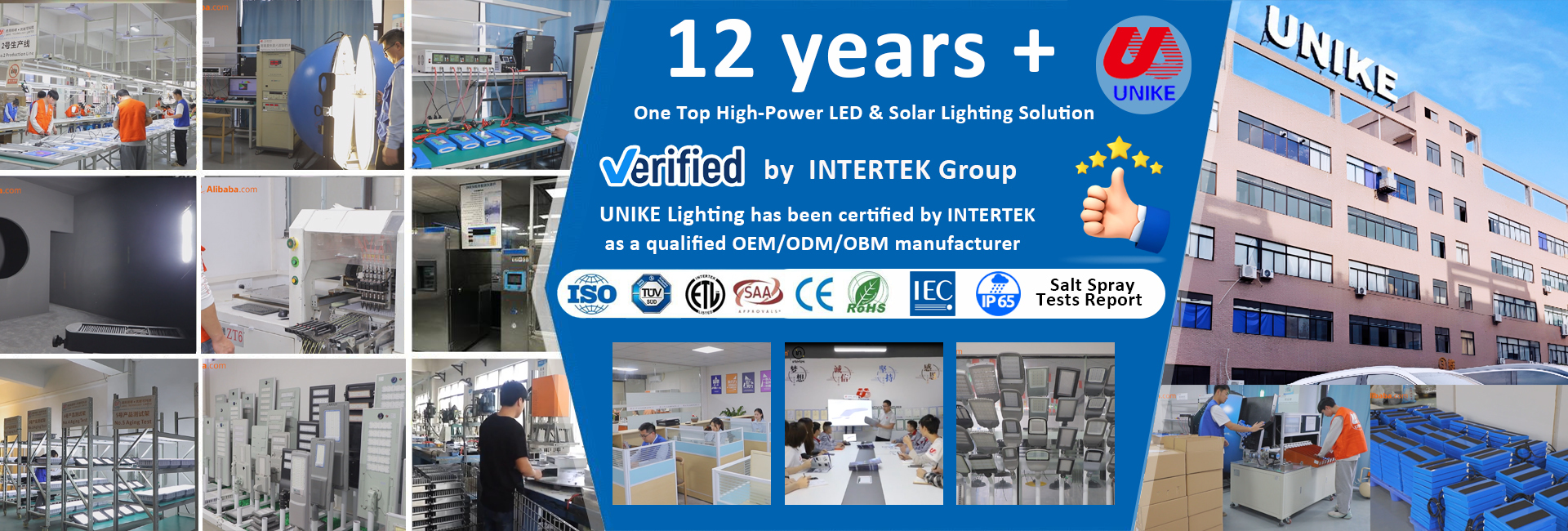
Güvenilirlik mührü, kredi kontrolü, RoSH ve tedarikçi yeteneği değerlendirmesi. Şirketin sıkı bir kalite kontrol sistemi ve profesyonel test laboratuvarı var.
Shenzhen UNIKE Technology Limited

DEVELOPMENT

İç profesyonel tasarım ekibi ve gelişmiş makine atölyesi. İhtiyacınız olan ürünleri geliştirmek için işbirliği yapabiliriz.
Shenzhen UNIKE Technology Limited

Üretim

Gelişmiş otomatik makineler, katı bir süreç kontrol sistemi. İhtiyacınızın ötesinde tüm elektrik terminallerini üretebiliriz.
Shenzhen UNIKE Technology Limited

% 100 Hizmet

Toplu ve özel küçük ambalajlar, FOB, CIF, DDU ve DDP. Tüm endişeleriniz için en iyi çözümü bulmanıza yardım edelim.

2016

Kurulduğu Yıl

120+

Çalışanlar

+

Müşterilere Hizmet

10000000+

Yıllık Satış

bizim ürünlerimiz

Özel Ürünler

China Shenzhen UNIKE Technology Limited
Bizimle İletişim
Videoyu oynat
Her Zaman İletişim
Gönder

Shenzhen UNIKE Technology Limited

Adres: 5. Kat, 1. Bina, Huimei Sanayi Parkı, No. 121, Jiangmu Yolu, Jianghai Bölgesi, Jiangmen Şehri, Guangdong Eyaleti
Telefon.: 86-158-1737-7218
bizim ürünlerimiz
En İyi Ürünler
Bizim Durumumuz
Son Endüstriyel Projeler
Etkinlik
Son Haberler
Son şirket haberleri How to Adjust the Time of a Road Street Light Controller?
How to Adjust the Time of a Road Street Light Controller?
.gtr-container-qwe123xyz { font-family: Verdana, Helvetica, "Times New Roman", Arial, sans-serif; color: #333; line-height: 1.6; padding: 15px; box-sizing: border-box; max-width: 100%; overflow-x: hidden; } .gtr-container-qwe123xyz p { margin-top: 0; margin-bottom: 1em; font-size: 14px; text-align: left !important; word-break: normal; overflow-wrap: normal; } .gtr-container-qwe123xyz .gtr-heading-level2 { font-size: 18px; font-weight: bold; margin-top: 1.5em; margin-bottom: 1em; color: #222; } .gtr-container-qwe123xyz a { color: #007bff; text-decoration: none; } .gtr-container-qwe123xyz a:hover { text-decoration: underline; } .gtr-container-qwe123xyz p img { margin: 1.5em 0; } @media (min-width: 768px) { .gtr-container-qwe123xyz { padding: 25px; } .gtr-container-qwe123xyz p { margin-bottom: 1.2em; } .gtr-container-qwe123xyz .gtr-heading-level2 { margin-top: 2em; margin-bottom: 1.2em; } } Road street light controllers play a crucial role in managing the operation of street lighting systems, ensuring they turn on and off at the right times to enhance road safety, save energy, and reduce maintenance costs. One of the core functions of these controllers is time adjustment, which varies slightly depending on the type of controller. Below is a detailed guide to help you understand how to adjust the time for different types of road street light controllers. Manual Timer Controllers Manual timer controllers are the most basic type, often used in small-scale road lighting systems or areas where time adjustments are not frequent. The adjustment process is straightforward and requires physical operation on the controller itself. First, locate the controller unit, which is usually installed in a weatherproof box near the street light pole or in a control room. Open the box (you may need a screwdriver for safety locks) and find the time-setting dial or buttons. Most manual controllers have a 24-hour or 12-hour clock face printed on the dial. To set the current time, press and hold the "Time" or "Clock" button, then rotate the dial until the pointer aligns with the correct current time. Some models use up/down arrow buttons instead of a dial—simply press these buttons to adjust the hour and minute hands to the desired time. Next, set the on/off times. Manual controllers typically have "On" and "Off" tabs or sliders around the clock dial. Slide the "On" tab to the time you want the street lights to turn on (e.g., 18:30) and the "Off" tab to the time you want them to turn off (e.g., 06:00). Ensure the tabs are firmly in place to avoid misalignment. After setting, close the controller box and test the system by checking if the lights respond correctly at the set times. Note that manual controllers do not automatically adjust for daylight saving time or seasonal changes, so you will need to manually update the settings as needed. Automatic Astronomical Controllers Astronomical controllers are widely used in modern road lighting systems because they automatically calculate sunrise and sunset times based on the location’s latitude and longitude, eliminating the need for frequent manual adjustments. However, initial setup and occasional time calibration are still required. To adjust the time on an astronomical controller, start by accessing the settings menu. This can usually be done via physical buttons on the controller or a remote control. Some advanced models also offer a mobile app or web interface for remote configuration. Once in the menu, select the "Time Setting" or "Clock Calibration" option. If the controller has a GPS function, it may automatically sync the current time, but you can still manually adjust it if needed by entering the correct hour and minute. In addition to the current time, you may need to set the location parameters (latitude and longitude) if they haven’t been configured yet. This ensures the controller accurately predicts sunrise and sunset times. Some controllers also allow you to set a "delay on" or "delay off" time—for example, turning on the lights 30 minutes before sunset or turning them off 30 minutes after sunrise. After completing all settings, save the changes and exit the menu. The controller will then operate automatically based on the configured time and location data. Smart Networked Controllers Smart networked controllers are the most advanced type, connected to a central management system via Wi-Fi, Bluetooth, or cellular networks. They offer real-time monitoring and remote time adjustment, making them ideal for large-scale road lighting projects. Adjusting the time on a smart networked controller is typically done through a central platform or mobile app. Log in to the platform using your account, select the specific controller or group of controllers you want to adjust, and navigate to the time settings section. Here, you can set the current time manually or enable automatic time sync with a network time protocol (NTP) server, which ensures the time is always accurate. Smart controllers also allow you to create custom time schedules. For example, you can set different on/off times for weekdays and weekends, or adjust the brightness level based on the time of day. Some models even support scene settings—such as dimming the lights during low-traffic hours to save energy. After setting the desired time parameters, send the commands to the controller, and the changes will take effect immediately. Additionally, the central platform will record all time adjustment logs, making it easy to track and manage the system’s operation. Key Notes for Time Adjustment Before adjusting the time, ensure the controller is powered on and functioning properly. If the controller is not responding, check the power supply and connections first. For outdoor controllers, make sure to operate in a dry environment to avoid electrical hazards. Use insulated tools if necessary. When setting the time, consider factors such as daylight saving time, seasonal changes, and local traffic conditions. For example, in areas with heavy morning or evening traffic, you may need to adjust the on/off times accordingly. Regularly check and calibrate the time, especially for manual controllers, to ensure the street lights operate as expected. For astronomical and smart controllers, verify the location data and network connection periodically to maintain accuracy. If you are unsure about the adjustment process, refer to the controller’s user manual or contact the manufacturer’s technical support for assistance. In conclusion, adjusting the time of a road street light controller depends on the type of controller, but the core principle is to ensure the lights turn on and off at the appropriate times. Whether you are using a manual, astronomical, or smart controller, following the correct steps and considering key factors will help optimize the performance of the road lighting system, providing safe and energy-efficient illumination for drivers and pedestrians.
Son şirket haberleri What Is LED Luminaire Lumen Degradation?
What Is LED Luminaire Lumen Degradation?
.gtr-container-x7y2z9 { font-family: Verdana, Helvetica, "Times New Roman", Arial, sans-serif; color: #333; line-height: 1.6; padding: 15px; max-width: 100%; box-sizing: border-box; } .gtr-container-x7y2z9 p { font-size: 14px; margin-bottom: 1em; text-align: left !important; } .gtr-container-x7y2z9 strong { font-weight: bold; color: #222; } .gtr-container-x7y2z9 a { color: #007bff; text-decoration: none; } .gtr-container-x7y2z9 a:hover { text-decoration: underline; } .gtr-container-x7y2z9 .gtr-main-subject { font-size: 18px; color: #1a1a1a; } .gtr-container-x7y2z9 ul { list-style: none !important; padding-left: 20px; margin-bottom: 1em; } .gtr-container-x7y2z9 ul li { position: relative; padding-left: 15px; margin-bottom: 0.5em; list-style: none !important; font-size: 14px; text-align: left !important; } .gtr-container-x7y2z9 ul li::before { content: "•" !important; position: absolute !important; left: 0 !important; color: #007bff; font-size: 1.2em; line-height: 1; } .gtr-container-x7y2z9 img { height: auto; margin-top: 1em; margin-bottom: 1em; } @media (min-width: 768px) { .gtr-container-x7y2z9 { max-width: 960px; margin: 0 auto; padding: 25px; } .gtr-container-x7y2z9 .gtr-main-subject { font-size: 20px; } } In the realm of lighting technology, LED (Light-Emitting Diode) luminaires have gained widespread popularity due to their energy efficiency, long lifespan, and environmental friendliness. However, like all lighting products, LEDs are not immune to a natural phenomenon known as lumen degradation—commonly referred to as "light decay" in everyday language. For both consumers and industry professionals, understanding this concept is crucial for making informed decisions about LED lighting investments, maintenance, and performance expectations. At its core, LED luminaire lumen degradation refers to the gradual and irreversible reduction in the light output (measured in lumens) of an LED fixture over time. Unlike traditional incandescent bulbs, which often burn out suddenly, LEDs fade slowly: their brightness diminishes steadily rather than failing abruptly. This process is inherent to the physics of LED operation, but its rate can be significantly influenced by various external and internal factors. It is important to note that lumen degradation is distinct from "catastrophic failure," where an LED stops working entirely—though severe degradation may eventually render a fixture impractical for its intended use. To grasp why light decay occurs, we must delve into the internal structure of an LED. An LED generates light through the movement of electrons across a semiconductor material (typically a diode made of gallium nitride or similar compounds). When electricity passes through the diode, electrons recombine with electron holes, releasing energy in the form of photons (light). Over time, this process causes cumulative damage to the semiconductor and surrounding components, leading to reduced light production. Key contributors to this damage include: Heat Stress: Excessive heat is the primary culprit behind accelerated lumen degradation. LEDs are sensitive to high temperatures—when operated at elevated temperatures (often caused by poor heat dissipation, inadequate fixture design, or ambient heat), the semiconductor material degrades faster, and the phosphor coating (used to convert blue LED light to warm white or other colors) deteriorates. This is why high-quality LED fixtures incorporate heat sinks or thermal management systems to dissipate heat effectively. Electrical Stress: Voltage fluctuations, overcurrent, or operating an LED beyond its rated electrical parameters can damage the diode’s junction, reducing its ability to emit light. Material Degradation: The phosphor coating, lens, and other components of the LED fixture can degrade over time due to exposure to UV radiation (from the LED itself or external sources), moisture, or chemical reactions, leading to reduced light transmission and output. The rate of LED lumen degradation is typically quantified using the L70 rating—a standard metric in the lighting industry. The L70 rating indicates the number of hours it takes for an LED fixture to lose 30% of its initial light output (i.e., retain 70% of its original lumens). For example, an LED with an L70 rating of 50,000 hours will still emit 70% of its initial brightness after 50,000 hours of operation. High-quality LEDs often have L70 ratings of 50,000 to 100,000 hours or more, depending on their design and operating conditions. Other ratings, such as L50 (50% lumen retention) or L90 (90% lumen retention), are also used for specific applications, but L70 is the most widely accepted benchmark for general lighting. Several factors can either accelerate or slow down lumen degradation. Proper thermal management is the most critical: fixtures with efficient heat sinks, adequate ventilation, and operation within the recommended temperature range (typically -40°C to 85°C for the LED junction) will degrade much more slowly. Additionally, using high-quality components (such as premium semiconductors and phosphor coatings), stable power supplies, and avoiding overvoltage/overcurrent can extend the time until significant light decay occurs. Environmental factors also play a role—LEDs used in humid, corrosive, or high-temperature environments (e.g., outdoor lighting in hot climates or industrial settings) may experience faster degradation than those used in controlled indoor spaces. For consumers, understanding lumen degradation helps set realistic expectations: an LED bulb advertised as "100,000-hour lifespan" will not maintain full brightness for that entire period but will gradually dim. For commercial and industrial users, this knowledge is essential for maintenance planning—replacing fixtures before their light output drops below the minimum required for safety or productivity. It also highlights the importance of investing in high-quality LED products from reputable manufacturers, as cheaper, poorly designed fixtures often have inferior thermal management and faster lumen degradation, leading to shorter effective lifespans. In conclusion, LED luminaire lumen degradation is a natural, unavoidable process, but its impact can be minimized through thoughtful design, quality components, and proper use. By recognizing the causes, understanding key metrics like L70, and taking steps to mitigate stressors (especially heat), users can maximize the performance and lifespan of their LED lighting systems. As LED technology continues to advance, manufacturers are developing new materials and designs to slow down lumen degradation further, making LEDs an even more reliable and cost-effective lighting solution for the future.
Son şirket haberleri LED Linear Lights: Outdoor Illumination Effects and Their Role in Exterior Lighting Projects
LED Linear Lights: Outdoor Illumination Effects and Their Role in Exterior Lighting Projects
.gtr-container-f8h3j1k9 { font-family: Verdana, Helvetica, "Times New Roman", Arial, sans-serif; color: #333; line-height: 1.6; padding: 15px; overflow-x: hidden; } .gtr-container-f8h3j1k9 p { margin-bottom: 1em; text-align: left !important; font-size: 14px; word-break: normal; overflow-wrap: normal; } .gtr-container-f8h3j1k9 a { color: #007bff; text-decoration: none; font-weight: bold; } .gtr-container-f8h3j1k9 a:hover { text-decoration: underline; } .gtr-container-f8h3j1k9 strong { font-weight: bold; } .gtr-container-f8h3j1k9 .gtr-main-title { font-size: 18px; font-weight: bold; margin-bottom: 1.5em; color: #1a1a1a; text-align: left; } .gtr-container-f8h3j1k9 .gtr-section-title { font-size: 18px; font-weight: bold; margin-top: 2em; margin-bottom: 1em; color: #1a1a1a; text-align: left; } .gtr-container-f8h3j1k9 .gtr-subsection-title { font-size: 16px; font-weight: bold; margin-top: 1.5em; margin-bottom: 0.8em; color: #333; text-align: left; } .gtr-container-f8h3j1k9 img { display: block; margin: 1.5em auto; height: auto; } @media (min-width: 768px) { .gtr-container-f8h3j1k9 { padding: 25px 50px; max-width: 960px; margin: 0 auto; } .gtr-container-f8h3j1k9 .gtr-main-title { font-size: 20px; } .gtr-container-f8h3j1k9 .gtr-section-title { font-size: 20px; } .gtr-container-f8h3j1k9 .gtr-subsection-title { font-size: 18px; } } LED Linear High Bay Lights: Redefining Outdoor Industrial Illumination In the landscape of outdoor industrial and large-scale lighting, LED linear high bay lights have emerged as a game-changing solution, tailored to meet the rigorous demands of high-ceilinged outdoor spaces, industrial sites, and large open areas. Distinguished by their exceptional brightness, robust construction, and energy-efficient performance, these specialized fixtures deliver unique illumination effects while playing​ a crtical role in enhancing the functionality, safety, and visual appeal of outdoor industrial and commercial environments. This article delves into the distinctive outdoor illumination effects of LED linear high bay lights and their indispensable role in modern exterior lighting projects. Outstanding Outdoor Illumination Effects of LED Linear High Bay Lights LED linear high bay lights are engineered to address the challenges of illuminating large, open outdoor spaces, leveraging advanced optical design and high-performance LED chips to produce targeted, powerful illumination effects.​ High-Intensity Uniform Coverage The most defining effect of LED linear high bay lights is their high-lumen uniform illumination, capable of covering expansive areas with consistent brightness. Designed with high luminous efficacy (typically 100-150 lumens per watt) and evenly spaced LED arrays, these fixtures eliminate dark zones and light inconsistencies— a critical advantage for outdoor spaces like shipping yards, mine sites, industrial courtyards, and large parking lots. For example, in a container terminal spanning tens of thousands of square meters, LED linear high bay lights mounted at 8-15 meters height can cast a seamless, shadow-free glow across the entire area, ensuring workers can identify cargo labels, operate machinery, and navigate safely even in low-light conditions. Unlike traditional high-pressure sodium (HPS) lamps that produce yellowish, scattered light, LED linear high bays emit crisp, white light (3000K-6500K) that enhances color rendering (CRI ≥ 80), making details more distinguishable and reducing eye strain. Directional Beam Control for Targeted Illumination LED linear high bay lights excel at precision directional lighting, thanks to their adjustable beam angles (20°-120°) and optimized reflectors. This effect allows for targeted light distribution, making them ideal for highlighting specific outdoor functional zones without wasting energy on unnecessary areas. For instance, in an outdoor manufacturing plant, these lights can be angled to focus on production platforms, assembly lines, or material storage areas, ensuring critical workspaces receive maximum brightness while minimizing light pollution to surrounding neighborhoods. In outdoor sports facilities like soccer fields or tennis courts, LED linear high bays with narrow beam angles (20°-45°) can deliver concentrated light to playing surfaces, meeting professional lighting standards (e.g., FIFA’s 200-500 lux requirement) and enabling night games with clear visibility.​ Anti-Glare and Weather-Resistant Performance A key practical effect of LED linear high bay lights is their anti-glare design, which reduces discomfort for workers, drivers, and nearby residents. Equipped with diffusers, micro-prismatic lenses, or honeycomb grids, these fixtures minimize direct glare and sky glow, complying with dark-sky regulations while maintaining illumination efficiency. Additionally, their rugged construction—featuring aluminum alloy housings, tempered glass covers, and IP66+ waterproof/dustproof ratings—ensures reliable performance in harsh outdoor conditions. Whether exposed to heavy rain, strong winds, extreme temperatures (-40°C to 60°C), or corrosive industrial environments (e.g., coastal ports with salt spray), LED linear high bays retain their illumination quality, avoiding flickering or dimming that plagues traditional lighting. The Critical Role of LED Linear High Bay Lights in Exterior Lighting Projects Enhancing Industrial Safety and Productivity Safety is paramount in outdoor industrial settings, and LED linear high bay lights are instrumental in mitigating risks and boosting productivity. Their high brightness (5,000-20,000 lumens per fixture) and long-range illumination (up to 50 meters) ensure clear visibility for high-risk activities such as heavy machinery operation, cargo handling, and maintenance work. By eliminating shadows and reducing eye fatigue, these lights lower the incidence of accidents—such as collisions or falls—and improve worker focus and efficiency. For example, in a coal mine’s outdoor loading area, LED linear high bays provide consistent illumination that allows workers to detect potential hazards (e.g., loose debris, equipment malfunctions) and operate conveyor belts safely during night shifts. Moreover, their long lifespan (50,000-100,000 hours) and low maintenance requirements reduce downtime for bulb replacements, ensuring continuous operation of critical outdoor facilities.​ Supporting Energy Efficiency and Cost Savings LED linear high bay lights are leaders in sustainability and cost reduction for large-scale outdoor lighting. Compared to traditional HPS or metal halide lamps, they consume 50-70% less energy— a significant saving for facilities with hundreds of fixtures. For instance, a warehouse with 50 outdoor LED linear high bays (150W each) consumes 7,500W per hour, whereas 50 equivalent 400W HPS lamps consume 20,000W per hour, translating to annual electricity savings of tens of thousands of dollars. Additionally, these lights are compatible with smart control systems (e.g., motion sensors, dimmers, IoT connectivity), allowing for further energy optimization—e.g., dimming lights during low-traffic hours or activating them only when motion is detected. Their eco-friendly design (no mercury or lead) and recyclable materials align with corporate sustainability goals and global environmental regulations, reducing carbon footprints for industrial and commercial entities. Elevating Large-Scale Exterior Aesthetics and Functionality While primarily functional, LED linear high bay lights also contribute to aesthetic enhancement and space definition in large outdoor areas. Their sleek, linear design integrates seamlessly with industrial architecture—such as factory exteriors, warehouse facades, or transportation hubs—creating a cohesive, modern look. In commercial settings like shopping mall parking garages or outdoor event venues, these lights can be synchronized to create subtle dynamic effects (e.g., gradual dimming, zone-specific brightness) that enhance the user experience without compromising functionality. For example, an outdoor concert venue can use LED linear high bays to illuminate seating areas at a comfortable 300 lux while dimming perimeter lights to reduce distraction, creating a balanced ambiance for performers and audiences. In urban infrastructure projects like bridges or highway interchanges, these lights provide both safety lighting for vehicles and a visually striking outline of the structure, enhancing nighttime urban aesthetics.​ Ensuring Reliability in Extreme Outdoor Environments The rugged design of LED linear high bay lights makes them indispensable for harsh outdoor applications where durability is non-negotiable. In coastal regions, their corrosion-resistant housings protect against saltwater damage, ensuring long-term performance in ports or offshore platforms. In cold climates, their instant-on capability (no warm-up time) and resistance to freezing temperatures make them superior to traditional lamps that may fail in subzero conditions. For emergency scenarios—such as power outages in industrial sites—many LED linear high bays are compatible with backup generators or solar power systems, providing uninterrupted illumination critical for emergency response and evacuation. Conclusion LED linear high bay lights have redefined large-scale outdoor lighting with their high-intensity uniform coverage, precision beam control, and rugged performance, while fulfilling pivotal roles in safety, sustainability, and aesthetics. As industries and cities increasingly demand efficient, reliable, and versatile lighting solutions for expansive outdoor spaces, these fixtures have become essential for industrial sites, commercial complexes, public facilities, and urban infrastructure. Their ability to balance power, efficiency, and durability not only addresses the practical challenges of outdoor illumination but also supports global efforts toward sustainability and smart city development. Whether illuminating a bustling port, a sprawling warehouse yard, or a public sports facility, LED linear high bay lights prove that large-scale outdoor lighting can be both high-performing and responsible, driving productivity, safety, and visual appeal for years to come.
Son şirket haberleri The Impact of Weather on Solar Street Lights
The Impact of Weather on Solar Street Lights
.gtr-container-q7w2e8 { font-family: Verdana, Helvetica, "Times New Roman", Arial, sans-serif; color: #333; line-height: 1.6; padding: 15px; box-sizing: border-box; overflow-x: auto; } .gtr-container-q7w2e8 p { font-size: 14px; margin-bottom: 1em; text-align: left !important; word-break: normal; overflow-wrap: normal; } .gtr-container-q7w2e8 a { color: #007bff; text-decoration: none; font-weight: bold; } .gtr-container-q7w2e8 a:hover { text-decoration: underline; } .gtr-container-q7w2e8 .gtr-title-1 { font-size: 18px; font-weight: bold; margin-top: 2em; margin-bottom: 1em; color: #222; text-align: left; } .gtr-container-q7w2e8 .gtr-title-2 { font-size: 14px; font-weight: bold; margin-top: 1.5em; margin-bottom: 0.8em; color: #333; text-align: left; } .gtr-container-q7w2e8 p strong { font-weight: bold; } .gtr-container-q7w2e8 img { vertical-align: middle; height: auto; } .gtr-container-q7w2e8 ul { list-style: none !important; padding-left: 20px; margin-bottom: 1em; } .gtr-container-q7w2e8 ul li { position: relative; padding-left: 15px; margin-bottom: 0.5em; font-size: 14px; text-align: left !important; list-style: none !important; } .gtr-container-q7w2e8 ul li::before { content: "•" !important; position: absolute !important; left: 0 !important; color: #007bff; font-size: 1.2em; line-height: 1; } @media (min-width: 768px) { .gtr-container-q7w2e8 { max-width: 960px; margin: 0 auto; padding: 25px; } .gtr-container-q7w2e8 .gtr-title-1 { font-size: 18px; } .gtr-container-q7w2e8 .gtr-title-2 { font-size: 16px; } } Solar street lights have emerged as a sustainable and cost-effective solution for urban and rural lighting, relying on photovoltaic (PV) panels to convert sunlight into electricity. However, their performance and reliability are heavily influenced by weather conditions, which can either optimize or hinder their functionality. Understanding these weather-related impacts is crucial for designing efficient solar lighting systems, planning maintenance schedules, and ensuring consistent illumination. This article explores how different weather factors—including sunlight intensity, temperature, precipitation, and extreme weather events—affect solar street lights, along with practical strategies to mitigate potential risks. Sunlight Intensity: The Core Driver of Performance Sunlight is the primary energy source for solar street lights, so its intensity and duration directly determine how much electricity PV panels can generate. Optimal Conditions In regions with abundant, unobstructed sunlight (e.g., sunny days in arid or temperate zones), PV panels operate at near-peak efficiency. For instance, a standard 100W solar panel can produce 400-500Wh of electricity per day under 4-5 hours of direct sunlight, fully charging the battery to power the LED light for 8-12 hours at night. Such conditions ensure consistent brightness and prevent battery depletion. Adverse Impacts of Low Sunlight Cloudy or Overcast Days: Diffused sunlight reduces PV panel output by 30%-70%. On heavily overcast days, a 100W panel may only generate 100-200Wh, leading to insufficient battery charging. This can cause the LED light to dim prematurely or switch off mid-night, compromising safety in areas like roads or parking lots. Short Daylight Hours: In winter or high-latitude regions (e.g., northern Europe, Canada), shorter daylight periods limit charging time. For example, during the winter solstice, some areas have only 6-7 hours of daylight—far less than the 8-10 hours needed for full battery charging. Over time, this can lead to "deep discharge" of batteries, reducing their lifespan by 20%-30%. Shading: Even partial shading (from trees, buildings, or dust accumulation) creates "hotspots" on PV panels, reducing overall efficiency and potentially damaging cells. A study by the International Energy Agency (IEA) found that 10% shading on a panel can decrease output by up to 50%. Temperature: A Hidden Factor Affecting Efficiency While solar panels rely on sunlight, extreme temperatures—both high and low—negatively impact their performance and the lifespan of batteries. High Temperatures Most PV panels have an optimal operating temperature range of 25°C-35°C (77°F-95°F). When temperatures exceed 40°C (104°F), panel efficiency decreases by 0.3%-0.5% per degree Celsius. For example, a panel with 20% efficiency at 25°C may drop to 17%-18% efficiency at 45°C. This is because high temperatures increase electron resistance in the panel’s semiconductor material, reducing energy conversion. Additionally, high heat accelerates battery degradation. Lithium-ion batteries (commonly used in solar street lights) lose capacity faster when exposed to prolonged temperatures above 35°C. A 2023 study by the National Renewable Energy Laboratory (NREL) showed that lithium-ion batteries in hot climates (e.g., desert regions) have a lifespan of 3-4 years, compared to 5-7 years in moderate climates. Low Temperatures Cold temperatures (below 0°C/32°F) do not directly damage PV panels, but they can impair battery performance. Lithium-ion batteries experience reduced charging and discharging capacity in the cold—for instance, at -10°C (14°F), a battery may only hold 70%-80% of its rated capacity. This means even if the PV panel generates enough electricity during the day, the battery may not store enough to power the light all night. Freezing temperatures also pose risks for battery enclosures. If moisture seeps into the enclosure and freezes, it can crack the battery casing or damage electrical connections, leading to system failure. Precipitation: Risks Beyond Reduced Sunlight Rain, snow, and fog not only reduce sunlight but also introduce physical and electrical risks to solar street lights. Rain Light to moderate rain can help clean dust and debris from PV panels, temporarily improving efficiency. However, heavy rain or thunderstorms pose two main threats: Water Infiltration: Poorly sealed junction boxes, battery enclosures, or LED light fixtures can allow rainwater to enter, causing short circuits. This is a leading cause of system failure—according to a 2024 industry report, 35% of solar street light malfunctions are due to water damage. Lightning Strikes: Solar systems are vulnerable to lightning, as PV panels act as large conductive surfaces. A direct or nearby lightning strike can damage the inverter, charge controller, or battery, requiring costly replacements. Snow and Ice Snow accumulation on PV panels blocks sunlight entirely, halting energy generation. Even a thin layer of snow (1-2 cm) can reduce output by 80%-90%. If snow melts and refreezes, it forms ice, which is heavier and harder to remove—ice can crack PV panels or bend mounting structures under its weight. In snowy regions, the angle of the PV panel is critical. Panels installed at a steeper angle (30°-45°) allow snow to slide off more easily, minimizing downtime. However, in areas with heavy snowfall, manual or automated snow removal (e.g., heated panels) may be necessary. Fog and Mist Fog scatters sunlight, reducing its intensity similarly to cloudy days. Additionally, mist can leave a layer of moisture on PV panels, which, when combined with dust, forms a film that further lowers efficiency. In coastal areas, salt-laden fog can corrode metal components (e.g., mounting brackets, wiring), shortening the system’s lifespan. Extreme Weather Events: Catastrophic Risks Extreme weather—such as hurricanes, typhoons, sandstorms, and hailstorms—can cause severe, long-term damage to solar street lights. Strong Winds: Hurricanes or typhoons with wind speeds exceeding 100 km/h (62 mph) can blow down light poles, damage PV panels, or tear wiring. In 2022, Hurricane Ian destroyed over 5,000 solar street lights in Florida, USA, due to strong winds and flying debris. Hailstorms: Hailstones (especially those larger than 2 cm/0.8 inches) can crack or shatter PV panels. Standard PV panels have a tempered glass layer, but it is not immune to large hailstones. A 2021 hailstorm in Colorado, USA, damaged 12% of solar street lights in the affected area. Sandstorms: In arid regions (e.g., the Middle East, Central Asia), sandstorms deposit a thick layer of sand on PV panels, blocking sunlight and scratching the glass surface. This reduces efficiency by 40%-60% and can permanently damage panels if not cleaned promptly. Mitigation Strategies: Enhancing Weather Resilience To minimize the impact of weather on solar street lights, the following strategies are recommended: Optimize PV Panel Design and Placement: Use high-efficiency panels (e.g., monocrystalline silicon) that perform better in low light and high temperatures. Install panels at an optimal tilt angle (20°-45°, depending on latitude) to maximize sunlight absorption and facilitate snow/rain runoff. Avoid shading by trimming trees or adjusting the panel’s location relative to buildings. Improve Battery Performance and Protection: Use cold-resistant or heat-resistant batteries (e.g., lithium iron phosphate batteries) for extreme climates. Install battery enclosures with insulation (for cold climates) or ventilation (for hot climates) to maintain optimal temperatures. Add a battery management system (BMS) to prevent overcharging, deep discharge, and temperature-related damage. Enhance Water and Weather Resistance: Use IP65 or IP67-rated fixtures (junction boxes, LED lights) to prevent water infiltration. Install lightning arresters and surge protectors to shield the system from lightning strikes. Regular Maintenance: Clean PV panels regularly (monthly in dusty areas, quarterly in moderate climates) to remove dirt, snow, or ice. Inspect wiring, enclosures, and mounting structures after extreme weather events to identify and repair damage. Backup Power Solutions: For critical areas (e.g., hospitals, highways), integrate a backup power source (e.g., a small wind turbine or grid connection) to ensure continuous illumination during prolonged low-light periods. Conclusion Weather plays a pivotal role in the performance, reliability, and lifespan of solar street lights. From reduced sunlight on cloudy days to catastrophic damage from hurricanes, each weather factor presents unique challenges. However, by understanding these impacts and implementing targeted mitigation strategies—such as using weather-resistant components, optimizing system design, and conducting regular maintenance—solar street light systems can be made more resilient. As the world shifts toward renewable energy, addressing weather-related risks will be key to unlocking the full potential of solar lighting in diverse climates, ensuring sustainable and reliable illumination for communities worldwide.
Son şirket haberleri LED Güneş Enerjili Sokak Lambalarının Avantajları: Sürdürülebilir Dış Mekan Aydınlatmasının Geleceği
LED Güneş Enerjili Sokak Lambalarının Avantajları: Sürdürülebilir Dış Mekan Aydınlatmasının Geleceği
.gtr-container-x7y3z1 { yazı tipi ailesi: Verdana, Helvetica, "Times New Roman", Arial, sans-serif; renk: #333; satır yüksekliği: 1,6; dolgu: 15 piksel; kutu boyutlandırma: kenarlık kutusu; taşma-x: otomatik; maksimum genişlik: %100; } .gtr-container-x7y3z1 p { yazı tipi boyutu: 14px; kenar boşluğu alt: 1em; metin hizalama: sola !önemli; kelime sonu: normal; taşma sarma: normal; } .gtr-konteyner-x7y3z1 a { color: #007bff; metin dekorasyonu: yok; } .gtr-container-x7y3z1 a:hover { text-decoration: underline; } .gtr-container-x7y3z1 güçlü { yazı tipi ağırlığı: kalın; } .gtr-container-x7y3z1 .gtr-section-title { yazı tipi boyutu: 18px; yazı tipi ağırlığı: kalın; üst kenar boşluğu: 1,5em; kenar boşluğu alt: 0,8em; renk: #0056b3; metin hizalama: sola !önemli; } .gtr-container-x7y3z1 ul { liste stili: yok !important; sol dolgu: 20px; kenar boşluğu alt: 1em; } .gtr-container-x7y3z1 ul li { pozisyon: göreceli; sol dolgu: 1,5em; kenar boşluğu alt: 0,5em; yazı tipi boyutu: 14 piksel; metin hizalama: sola !önemli; liste stili: yok !önemli; } .gtr-container-x7y3z1 ul li::before { content: "•" !important; renk: #007bff; konum: mutlak !önemli; sol: 0 !önemli; yazı tipi boyutu: 1,2em; satır yüksekliği: 1; } .gtr-container-x7y3z1 ol { list-style: none !important; sol dolgu: 25px; kenar boşluğu alt: 1em; } .gtr-container-x7y3z1 ol li { konum: göreceli; sol dolgu: 2em; kenar boşluğu alt: 0,5em; yazı tipi boyutu: 14 piksel; metin hizalama: sola !önemli; liste stili: yok !önemli; } .gtr-container-x7y3z1 ol li::before { content: counter(list-item) "." !önemli; renk: #007bff; konum: mutlak !önemli; sol: 0 !önemli; yazı tipi ağırlığı: kalın; metin hizalama: sağ; genişlik: 1,5em; } .gtr-container-x7y3z1 img { display: satır içi blok; dikey hizalama: orta; üst kenar boşluğu: 1 em; kenar boşluğu alt: 1em; } @media (minimum genişlik: 768 piksel) { .gtr-container-x7y3z1 { dolgu: 25 piksel 40 piksel; } } Sürdürülebilirlik ve verimliliğin ön plana çıktığı bir çağda,LED güneş enerjili sokak lambalarıdış mekan aydınlatmasında oyunun kurallarını değiştiren bir çözüm olarak ortaya çıktı. LED teknolojisinin enerji tasarrufu avantajlarını güneş enerjisinin yenilenebilir gücüyle birleştiren bu aydınlatma sistemleri, birçok boyutta geleneksel şebekeyle çalışan veya geleneksel güneş enerjili sokak lambalarından daha iyi performans gösteriyor. Çevre dostu olmalarından uzun vadeli maliyet tasarruflarına kadar avantajları, onları dünya çapında şehirler, topluluklar, sanayi bölgeleri ve uzak alanlar için tercih edilen seçenek haline getiriyor. 1. Olağanüstü Enerji Verimliliği ve Yenilenebilir Güç LED güneş enerjili sokak lambaları, verimliliğe öncelik veren kapalı devre, kendi kendini idame ettiren bir enerji sistemi üzerinde çalışır: Güneş Enerjisi Kullanımı: Yüksek performanslı fotovoltaik (PV) panellerle donatılan bu paneller, güneş ışığını temiz elektriğe dönüştürerek fosil yakıtlara veya geleneksel elektrik şebekesine bağımlılığı ortadan kaldırır. Bu, küresel karbon nötrlüğü hedefleriyle uyumlu olarak karbon emisyonlarını neredeyse sıfıra indiriyor. LED'in Doğal Verimliliği:LED ışıkkaynaklar, geleneksel aydınlatmayı çok aşan (örneğin, sodyum lambalar için 50-100 lm/W) 100–200 lm/W'lık ışık verimliliğine sahiptir. Elektrik enerjisinin %90'ından fazlasını ışığa dönüştürürler, ısı israfını en aza indirir ve geleneksel enerji tüketimine kıyasla enerji tüketimini %50-70 oranında azaltırlar.sokak ışıkları. Akıllı Enerji Yönetimi: Entegre solar şarj kontrolörleri, enerji depolamayı ve kullanımını optimize ederek fazla gücün gece kullanımı için pillerde depolanmasını sağlar. Işık sensörleri ve hareket dedektörleri gibi akıllı özellikler, ışıkları yalnızca gerektiğinde kısarak veya etkinleştirerek enerji israfını daha da azaltır. 2. Uzun Ömür ve Düşük Bakım Maliyetleri Dayanıklılık ve minimum bakım, uzun vadeli değer sağlayan temel avantajlardır: Uzatılmış Bileşen Ömrü: Yüksek kaliteli LED çiplerin ömrü 50.000–100.000 saattir (5–10 yıl sürekli kullanım), güneş panelleri ise genellikle 25–30 yıl dayanır. Lityum-iyon veya kurşun-asit piller, geleneksel sokak lambalarındaki ampullerin 1-3 yıllık ömründen daha iyi performans göstererek 5-8 yıllık güvenilir hizmet sunar. Daha Az Bakım İhtiyaçları: LED ışıklar, filaman veya cam bileşen içermeyen katı hal cihazlarıdır; bu da onları darbeye, titreşime ve kırılmaya karşı dayanıklı kılar. Yalıtımlı, hava koşullarına dayanıklı tasarım (IP65+ derecesi), yağmura, toza ve aşırı sıcaklıklara karşı koruma sağlayarak sık onarım veya değiştirme ihtiyacını en aza indirir. Daha Düşük İşletme Maliyetleri: Elektrik faturası olmayan ve minimum bakım gereksinimi olan LED güneş enerjili sokak lambaları, şebekeye bağlı alternatiflere kıyasla uzun vadeli işletme maliyetlerini %60-80 oranında azaltır. Bu özellikle büyük ölçekli projelerde veya şebeke erişiminin maliyetli olduğu veya kullanılamadığı uzak alanlar için etkilidir. 3. Kolay Kurulum ve Esneklik LED güneş enerjili sokak lambaları, geleneksel aydınlatma sistemlerinin lojistik sıkıntılarını ortadan kaldırır: Kablolama Gerekmez: Şebekeden bağımsız çözümler olarak, güç şebekesine bağlanmak için karmaşık kablolama veya kanal açma çalışmalarına ihtiyaç duymazlar. Bu, kurulum süresini, işçilik maliyetlerini ve mevcut altyapıdaki (örn. yollar, peyzaj) aksamayı büyük ölçüde azaltır. Çok Yönlü Montaj Seçenekleri: Ayarlanabilir direk montajları (60-110 mm çapındaki direklerle uyumlu) veya duvara montaj braketleriyle tasarlanan bu ürünler, kentsel sokaklardan otoparklara, kırsal yollardan inşaat alanlarına kadar çeşitli senaryolara uyum sağlar. Hızlı Dağıtım: Acil durum aydınlatması, geçici projeler veya az gelişmiş şebeke altyapısına sahip alanlar (örn. dağlık bölgeler, adalar) için idealdir; şebeke bağlantısı gerekmeden birkaç saat içinde kurulup çalıştırılabilirler. 4. Üstün Aydınlatma Performansı ve Güvenliği LED güneş enerjili sokak lambaları, görünürlüğü ve güvenliği artıran aydınlatma sağlar: Parlak, Düzgün Işık: LED'ler, mükemmel renksel geriverim indeksine (CRI ≥ 80) sahip, yönlü, yüksek kontrastlı ışık üreterek, gerçekçi renkler ve yolların, yayaların ve nesnelerin net görünürlüğünü sağlar. Sarı, loş ışık yayan sodyum lambaların aksine LED'ler, doğal gün ışığını taklit eden soğuk beyaz (5000–6500K) veya sıcak beyaz (3000–4000K) ışık sunar. Parlamasız Çalışma: Gelişmiş optik tasarımlar (örneğin, buzlu lensler, yansıtıcı kaplar) parlamayı en aza indirerek sürücülerin ve yayaların gözlerini korur ve kaza risklerini azaltır. Her Koşulda Güvenilir: Yedek pil depolamasıyla çoğu LED güneş enerjili sokak lambası, güneş ışığı olmadan art arda 3-7 yağmurlu veya bulutlu gün boyunca çalışır. Hava koşullarına dayanıklı yapıları fırtınalara, şiddetli rüzgarlara ve aşırı sıcaklıklara (-20°C ila 60°C) dayanarak yıl boyunca kesintisiz aydınlatma sağlar. 5. Çevre Dostu ve Sürdürülebilirlik Bu ışıklar yeşil altyapının temel taşıdır ve birçok eko-fayda sunar: Sıfır Karbon Emisyonları: Yenilenebilir güneş enerjisi kullanarak kömür, gaz veya petrolle çalışan elektriğe olan bağımlılığı azaltarak sera gazı emisyonlarını ışık başına yıllık 500 kg'a kadar azaltırlar. Işık Kirliliği Yok: Hassas ışık dağıtımı ve karartma özellikleri, ışığın çevredeki alanlara yayılmasını en aza indirerek yaban hayatı yaşam alanlarını korur ve gece ışık kirliliğini azaltır. Geri Dönüştürülebilir Bileşenler: Çoğu parça (güneş panelleri, LED'ler, piller) geri dönüştürülebilir olduğundan elektronik atıkları azaltır ve döngüsel ekonomiyi destekler. 6. Uzun Vadede Uygun Maliyetli LED güneş enerjili sokak lambalarına yapılan ilk yatırım geleneksel seçeneklerden daha yüksek olsa da, yatırım getirisi (ROI) oldukça ilgi çekicidir: Elektrik Faturalarının Ortadan Kaldırılması: Şebekeden bağımsız çalışma, devam eden enerji maliyetlerinin olmaması anlamına gelir; belediyeler veya büyük aydınlatma ağlarını yöneten işletmeler için büyük bir tasarruf sağlar. Daha Az Kurulum Maliyeti: Kablolama ve kanal açmanın olmaması, özellikle uzak bölgelerde ön işçilik ve malzeme masraflarını azaltır. Devlet Teşvikleri: Birçok ülke yenilenebilir enerji projeleri için sübvansiyonlar, vergi kredileri veya hibeler sunarak başlangıç ​​maliyetlerini daha da dengeler ve yatırım getirisini hızlandırır (genellikle 2-5 yıl). Çözüm LED güneş enerjili sokak lambaları sürdürülebilirlik, verimlilik ve performansın mükemmel sinerjisini temsil eder. Yenilenebilir enerji kullanımı ve uzun ömürlerden, kolay kurulum ve az bakıma kadar avantajları, onları modern sistemler için vazgeçilmez bir çözüm haline getiriyor.dış aydınlatma. İster kentsel altyapının iyileştirilmesi, ister kırsal toplulukların aydınlatılması, ister endüstriyel sahaların güçlendirilmesi olsun, bu ışıklar yalnızca maliyetleri düşürmekle kalmaz, aynı zamanda daha yeşil, daha güvenli ve daha sürdürülebilir bir geleceğe de katkıda bulunur. Teknoloji ilerledikçe (örneğin, daha yüksek verimli güneş panelleri, daha uzun ömürlü piller, daha akıllı kontroller), LED güneş enerjili sokak lambaları dış mekan aydınlatmasında standardı belirlemeye devam edecek ve sürdürülebilirlik ile işlevselliğin bir arada olabileceğini kanıtlayacak.
Son şirket haberleri Futbol Stadyumları İçin Aydınlatma Standartları Nelerdir?
Futbol Stadyumları İçin Aydınlatma Standartları Nelerdir?
.gtr-container-f7e9a2 { font-family: Verdana, Helvetica, "Times New Roman", Arial, sans-serif; color: #333; line-height: 1.6; padding: 15px; max-width: 100%; box-sizing: border-box; overflow-x: hidden; } .gtr-container-f7e9a2 p { font-size: 14px; margin-bottom: 1em; text-align: left !important; word-break: normal; overflow-wrap: normal; } .gtr-container-f7e9a2 a { color: #007bff; text-decoration: none; } .gtr-container-f7e9a2 a:hover { text-decoration: underline; } .gtr-container-f7e9a2 strong { font-weight: bold; } .gtr-container-f7e9a2 .gtr-heading-main { font-size: 18px; font-weight: bold; margin-top: 1.5em; margin-bottom: 1em; color: #0056b3; text-align: left !important; } .gtr-container-f7e9a2 .gtr-heading-level2 { font-size: 16px; font-weight: bold; margin-top: 1.2em; margin-bottom: 0.8em; color: #0056b3; text-align: left !important; } .gtr-container-f7e9a2 .gtr-heading-level3 { font-size: 14px; font-weight: bold; margin-top: 1em; margin-bottom: 0.6em; color: #333; text-align: left !important; } .gtr-container-f7e9a2 ul { list-style: none !important; padding-left: 25px !important; margin-bottom: 1em; } .gtr-container-f7e9a2 ul li { position: relative !important; padding-left: 15px !important; margin-bottom: 0.5em; font-size: 14px; text-align: left !important; list-style: none !important; } .gtr-container-f7e9a2 ul li::before { content: "•" !important; position: absolute !important; left: 0 !important; color: #007bff; font-size: 1.2em; line-height: 1; } .gtr-container-f7e9a2 ol { list-style: none !important; padding-left: 25px !important; margin-bottom: 1em; counter-reset: list-item; } .gtr-container-f7e9a2 ol li { position: relative !important; padding-left: 25px !important; margin-bottom: 0.5em; font-size: 14px; text-align: left !important; counter-increment: none; list-style: none !important; } .gtr-container-f7e9a2 ol li::before { content: counter(list-item) "." !important; position: absolute !important; left: 0 !important; color: #333; font-weight: bold; width: 20px; text-align: right; } .gtr-container-f7e9a2 img { margin-top: 1em; margin-bottom: 1em; } @media (min-width: 768px) { .gtr-container-f7e9a2 { padding: 25px 50px; } .gtr-container-f7e9a2 ul { padding-left: 30px !important; } .gtr-container-f7e9a2 ol { padding-left: 35px !important; } } Futbol stadyumu aydınlatması sadece sahayı aydınlatmaktan çok daha fazlasıdır; doğrudan oyuncu performansını, seyirci deneyimini ve yayın kalitesini etkiler. İster profesyonel ligler, ister amatör maçlar veya antrenman tesisleri için olsun, aydınlatma, adalet, güvenlik ve görünürlük sağlamak için katı standartlara uymalıdır. Bu makale, futbol stadyumları için temel aydınlatma standartlarını, temel ölçümleri, uluslararası yönergeleri ve uygulama senaryolarını kapsayarak ayrıntılı olarak açıklamaktadır. 1. Temel Aydınlatma Ölçümleri: Stadyum Standartlarının Temeli Aydınlatma standartları, her biri işlevselliği ve kullanıcı ihtiyaçlarını dengelemede kritik öneme sahip, belirli ölçülebilir ölçümlerle tanımlanır: Parlaklık (Aydınlık) Tanım: Sahadan yansıyan ışık miktarı, metrekare başına kandela (cd/m²) cinsinden ölçülür. Temel Gereksinimler: Profesyonel maçlar (FIFA/UEFA onaylı): HD yayınlar için minimum 1500 cd/m²; 4K/UHD iletimi için 2000+ cd/m². Amatör/topluluk stadyumları: Maç oyunu için 500–1000 cd/m²; antrenman seansları için 300 cd/m². Tekdüzelik kritiktir: Saha genelindeki maksimum ve minimum parlaklık oranı, kamaşmayı veya karanlık noktaları önlemek için ≤ 3:1 (yatay tekdüzelik) ve ≤ 4:1 (dikey tekdüzelik) olmalıdır. Aydınlatma Şiddeti (Işık Yoğunluğu) Tanım: Sahaya düşen toplam ışık, lüks (lx) cinsinden ölçülür. Uygulama: Özellikle yayın yapılmayan mekanlar için parlaklığa ek olarak. Standartlar: Amatör maçlar için 1000–2000 lx; profesyonel yayınlanmayan oyunlar için 3000+ lx. Kamaşma Kontrolü Tanım: Görüşü bozan rahatsız edici parlaklık (örneğin, armatürlerden oyuncuların veya seyircilerin gözlerine doğrudan ışık). Standartlar: Kamaşma Derecesi (GR), profesyonel stadyumlar için ≤ 50; amatör tesisler için ≤ 60 olmalıdır.Armatürler bu sorunu en aza indirmek için korumalı optik veya parlama önleyici merceklerle tasarlanmıştır. Renk Sıcaklığı ve İşleme Renk Sıcaklığı: Kelvin (K) cinsinden ölçülür, ışığın "sıcaklığını" veya "soğukluğunu" tanımlar. Standart aralık: 5000–6500 K (soğuk beyaz ışık), doğal gün ışığını taklit eder ve oyuncular ve kameralar için kontrastı artırır. Renk İşleme İndeksi (CRI): Renklerin ışık altında ne kadar doğru göründüğünü ölçer (100 = mükemmel doğal renk). Gereksinim: Formaların, çimlerin ve ekipman renklerinin ekranda gerçeğe yakın görünmesini sağlamak için tüm stadyumlar için CRI ≥ 80; profesyonel yayın mekanları için ≥ 90. Titreşimsiz Çalışma Yayın için Kritik: Titreşim (hızlı ışık yoğunluğu dalgalanmaları) kamera titremesine veya göz yorulmasına neden olur. Standart: Titreşim yüzdesi ≤ %1 (LED armatürler için) veya IEC 61547 standartlarına uygunluk.LED aydınlatma titreşimsiz performansı nedeniyle geleneksel metal halide lambalara göre tercih edilir. 2. Uluslararası Yönergeler: FIFA, UEFA ve IEC Standartları Küresel ve bölgesel yönetim organları, yarışmalarda tutarlılık sağlamak için birleşik standartlar belirler: FIFA (Fédération Internationale de Football Association) FIFA Stadyum Aydınlatma Yönergeleri: Dünya Kupası, Konfederasyon Kupası ve diğer uluslararası maçlar için zorunludur. Yayın için parlaklık tekdüzeliği (U1) ≥ 0,7, dikey aydınlatma (Ev) ≥ 1000 cd/m² ve 4K yayınlar için titreşimsiz çalışma gerektirir. Enerji verimliliğini vurgular: FIFA'nın sürdürülebilirlik hedeflerini karşılamak için LED armatürler önerilir (minimum 130 lm/W verimlilik). UEFA (Union of European Football Associations) UEFA Stadyum Altyapı Yönetmelikleri: Stadyumları maç önemine göre dört kategoriye (Kategori 1–4) ayırır. Kategori 4 (elit mekanlar, örn. Şampiyonlar Ligi finalleri): Minimum 2500 cd/m² parlaklık, CRI ≥ 90 ve yayın titreşim standartlarına tam uyum. Kategori 1 (amatör): 500 cd/m² parlaklık, CRI ≥ 80. IEC (Uluslararası Elektroteknik Komisyonu) IEC 60598-2-13: İçin güvenlik ve performans gereksinimlerini belirtir spor aydınlatma armatürleri, hava koşullarına dayanıklılık (dış mekan stadyumları için IP65+ derecesi) ve dayanıklılık (LED'ler için minimum 50.000 saat ömür) dahil. 3. Uygulamaya Özel Standartlar Aydınlatma gereksinimleri, stadyum türüne ve kullanımına göre değişir: Profesyonel Yayın Stadyumları Yayın kalitesine öncelik verin: Parlaklık ≥ 2000 cd/m², 360° tekdüze kapsama alanı ve yüksek hızlı kameralarla uyumluluk (120fps+'de titreşim yok). Uluslararası maçlara ev sahipliği yapmak için FIFA/UEFA denetiminden geçmelidir. Amatör/Topluluk Stadyumları Maliyet ve işlevselliği dengeleyin: İşletme maliyetlerini azaltmak için 500–1000 cd/m² parlaklık, temel tekdüzelik ve enerji verimli armatürler. Antrenman Tesisleri Daha düşük yoğunluk: Uzatılmış antrenman seansları sırasında oyuncuların gözlerini korumak için kamaşmayı azaltmaya odaklanarak 300–500 cd/m². Kapalı Futbol Arenaları Daha sıkı dikey tekdüzelik: Kapalı alanları hesaba katmak için ≤ 3:1 oranı ve doğal ışık eksikliğini telafi etmek için daha yüksek CRI (≥ 85). 4. Uygunluk ve Sertifikasyon Standartları karşılamak için stadyumlar şunları yapmalıdır: Tanınmış kuruluşlar tarafından test edilmiş ve sertifikalandırılmış armatürler kullanın (örneğin, FIFA Kalite Programı, ENEC, UL). Parlaklığı, tekdüzeliği ve titreşimi doğrulamak için düzenli aydınlatma denetimleri yapın (profesyonel mekanlar için yıllık olarak). Tutarlı performansı korumak için mevsimsel değişikliklere (örneğin, daha kısa günler) göre aydınlatmayı ayarlayın. Sonuç Futbol stadyumu aydınlatma standartları, oyunculara, seyircilere ve yayıncılara hizmet etmek üzere tasarlanmış teknik hassasiyet ve pratikliğin bir karışımıdır. Parlaklıktan ve tekdüzelikten kamaşma kontrolüne ve renk işlemeye kadar, her ölçüm güvenli, adil ve ilgi çekici bir ortam yaratmada rol oynar. İster yeni bir stadyum inşa ediyor ister mevcut tesisleri yükseltiyor olun, FIFA, UEFA ve IEC yönergelerine uymak, uyumluluğu sağlar, kullanıcı deneyimini geliştirir ve futbolun küresel büyümesini destekler. Özel çözümler arayan stadyum operatörleri veya tasarımcıları için, hem düzenleyici gereksinimleri hem de özel operasyonel ihtiyaçları karşılamak için spor mekanları konusunda uzmanlaşmış aydınlatma uzmanlarına danışmak önemlidir.
Son şirket haberleri Güneş Enerjili Sokak Lambaları: Yüksek Direkli Lambaların Yüksekliği ve Gücünün Makul Bir Şekilde Eşleştirilmesi
Güneş Enerjili Sokak Lambaları: Yüksek Direkli Lambaların Yüksekliği ve Gücünün Makul Bir Şekilde Eşleştirilmesi
.gtr-container-x7y8z9 { yazı tipi ailesi: Verdana, Helvetica, "Times New Roman", Arial, sans-serif; yazı tipi boyutu: 14 piksel; satır yüksekliği: 1,6; renk: #333; dolgu: 15 piksel; kenar boşluğu: 0 otomatik; maksimum genişlik: %100; kutu boyutlandırma: kenarlık kutusu; } .gtr-container-x7y8z9 p { kenar boşluğu-alt: 1em; metin hizalama: sola !önemli; } .gtr-konteyner-x7y8z9 a { color: #007bff; metin dekorasyonu: yok; } .gtr-container-x7y8z9 a:hover { text-decoration: underline; } .gtr-container-x7y8z9 güçlü { yazı tipi ağırlığı: kalın; } .gtr-container-x7y8z9 .gtr-title { yazı tipi boyutu: 18px; yazı tipi ağırlığı: kalın; kenar boşluğu alt: 20 piksel; renk: #1a1a1a; metin hizalama: sola !önemli; } .gtr-container-x7y8z9 .gtr-section-title { yazı tipi boyutu: 18px; yazı tipi ağırlığı: kalın; kenar boşluğu alt: 10 piksel; renk: #2a2a2a; metin hizalama: sola !önemli; } .gtr-container-x7y8z9 .gtr-subsection-title { yazı tipi boyutu: 16px; yazı tipi ağırlığı: kalın; kenar boşluğu alt: 8 piksel; renk: #3a3a3a; metin hizalama: sola !önemli; } .gtr-container-x7y8z9 ol, .gtr-container-x7y8z9 ul { kenar boşluğu: 0; dolgu: 0; liste stili: yok !önemli; } .gtr-container-x7y8z9 .gtr-list-main { counter-reset: liste-öğesi; sol kenar boşluğu: 0; dolgu-sol: 0; } .gtr-container-x7y8z9 .gtr-list-main > li { list-style: yok !important; konum: göreceli; sol dolgu: 30px; kenar boşluğu alt: 15 piksel; metin hizalama: sola !önemli; } .gtr-container-x7y8z9 .gtr-list-main > li::before { content: counter(list-item) "." !önemli; pozisyon: mutlak !önemli; sol: 0 !önemli; yazı tipi ağırlığı: kalın; renk: #333; genişlik: 25 piksel; metin hizalama: sağ; } .gtr-container-x7y8z9 .gtr-list-sub { counter-reset: liste öğesi; sol kenar boşluğu: 0; dolgu-sol: 0; } .gtr-container-x7y8z9 .gtr-list-sub > li { list-style: yok !important; konum: göreceli; sol dolgu: 30px; kenar boşluğu alt: 10 piksel; metin hizalama: sola !önemli; } .gtr-container-x7y8z9 .gtr-list-sub > li::before { content: counter(list-item) "." !önemli; pozisyon: mutlak !önemli; sol: 0 !önemli; yazı tipi ağırlığı: normal; renk: #555; genişlik: 25 piksel; metin hizalama: sağ; } .gtr-container-x7y8z9 img { display: blok; kenar boşluğu: 15 piksel 0; yükseklik: otomatik; maksimum genişlik: %100; } .gtr-container-x7y8z9 .gtr-conclusion { kenar boşluğu: 30 piksel; üst dolgu: 20 piksel; kenarlık üstü: 1 piksel katı #eee; } @media (minimum genişlik: 768 piksel) { .gtr-container-x7y8z9 { dolgu: 25 piksel; maksimum genişlik: 960 piksel; } .gtr-container-x7y8z9 .gtr-title { yazı tipi boyutu: 18px; kenar boşluğu alt: 25 piksel; } .gtr-container-x7y8z9 .gtr-section-title { yazı tipi boyutu: 18px; kenar boşluğu alt: 12 piksel; } .gtr-container-x7y8z9 .gtr-subsection-title { yazı tipi boyutu: 16px; kenar boşluğu alt: 10 piksel; } } Güneş Enerjili Sokak Aydınlatma Sistemlerinde Yüksek Direk Yüksekliği ve Watt Değerinin Eşleştirilmesi alanındadış aydınlatmaGüneş enerjili sokak lambaları sürdürülebilir ve uygun maliyetli bir çözüm olarak ortaya çıktı.yüksek direkli güneş ışıklarıotoyollar, limanlar, plazalar, sanayi parkları gibi geniş alanların aydınlatılmasında önemli rol oynuyor. Ancak bu yüksek direkli güneş ışıklarının performansı yalnızca kalitelerine göre belirlenmez; önemli bir faktör yüksekliğin makul şekilde eşleştirilmesinde yatmaktadır.ışık direklerive güneş panellerinin ve LED'lerin gücü. Uygun olmayan bir kombinasyon, yetersiz aydınlatma kapsamı, düşük enerji verimliliği ve hatta tüm sistemin hizmet ömrünün kısalması gibi sorunlara yol açabilir. Bu makale, güneş enerjili sokak aydınlatma sistemlerinde yüksek direk yüksekliği ile elektrik gücü arasında en uygun uyumu elde etmek için temel ilkeleri, etkileyici faktörleri ve pratik stratejileri inceleyecektir. Yükseklik ve Watt Değerinin Eşleştirilmesinin Temel Prensipleri Yüksekliğiışık direğiaydınlatma kapsama alanını ve zemindeki aydınlatma yoğunluğunu doğrudan etkilerken, güneş paneli (enerji toplama kapasitesini belirleyen) ve LED ışık kaynağı (ışık çıkışını belirleyen) dahil olmak üzere watt değeri sistemin enerji beslemesini ve aydınlatma performansını belirler. Yükseklik ve Güç Eşleşmesini Etkileyen Temel Faktörler Yüksek direk yüksekliği ile güç arasında makul bir uyum sağlamak için çeşitli pratik faktörlerin değerlendirilmesi gerekir. Bu faktörler, uygulama senaryosuna ve çevre koşullarına göre değişiklik gösterir ve bunların göz ardı edilmesi, optimumun altında sistem performansına yol açabilir. Uygulama Senaryosu Gereksinimleri Otoyollar ve Ekspres Yollar: Sürücülerin önlerindeki yolu net bir şekilde görebilmelerini sağlamak için uzun mesafeli aydınlatma (tipik olarak direk başına 30-50 metre kapsama alanı) gerektirir. Buradaki yüksek direk yükseklikleri genellikle 10 ila 15 metre arasında değişir ve LED güçleri 150W ile 300W arasındadır. Örneğin, otoyoldaki 12 metrelik bir direk, ana yollara yönelik uluslararası aydınlatma standardını karşılayan ortalama 20-30 lx zemin aydınlatmasını sürdürmek için 200 W'lık bir LED gerektirebilir.Limanlar ve Endüstri Parkları: Bu alanlar, kargo elleçleme veya ekipman bakımı gibi gece operasyonlarını desteklemek için geniş alan kapsamına ihtiyaç duyar. Direk yükseklikleri genellikle 15 ila 25 metre arasında değişir ve LED watt değerleri 300-500W'a kadar çıkabilir. Örneğin bir limandaki 20 metrelik bir direk, 40-50 metrelik kapsama yarıçapına ve 15-25 lx aydınlatma yoğunluğuna ulaşmak için 400 W'lık bir LED gerektirebilir.Kentsel Plazalar ve Konut Alanları: Daha düşük aydınlatma yoğunluğu gereksinimleri (5-15 lx) ve daha küçük kapsama alanları ile konfor ve güvenliğe öncelik veren alanlar. Direk yükseklikleri genellikle 8-12 metre olup, LED watt değerleri 50W ile 150W arasında değişmektedir. Örneğin bir konut plazasındaki 10 metrelik bir direk, 100W'lık bir LED ile etkili bir şekilde çalışabilir ve ışık kirliliğine neden olmadan 20-30 metrelik kapsama yarıçapı sağlayabilir. Coğrafi ve İklim Koşulları Yerel iklim ve coğrafi konum, güneş panelinin enerji toplama verimliliğini etkileyerek gerekli panel gücünü etkiler: Güneş Işığı Yoğunluğu: Yıllık güneş ışığı saatlerinin yüksek olduğu bölgeler (örn. çöl alanları veya tropik bölgeler) daha bol güneş enerjisine sahiptir. Bu tür alanlarda yüksek wattlı bir LED'in enerji ihtiyacını daha düşük wattlı bir güneş paneli karşılayabilir. Örneğin, Arizona'daki (ABD) 200 W'lık bir LED yalnızca 300 W'lık bir güneş paneli gerektirebilirken, sık yağmurlu ve az güneş ışığı alan Seattle'daki (ABD) aynı LED, azalan enerji toplamayı telafi etmek için 450 W'lık bir güneş paneline ihtiyaç duyabilir. Enerji Depolama ve Pil Kapasitesi Direk yüksekliğiyle doğrudan ilgili olmasa da pil kapasitesigüneş sokak lambasısistem, güneş panelinin ve LED'in gücüyle aynı hizada olmalıdır. Daha yüksek wattlı bir LED daha fazla enerji tüketir, bu nedenle pilin, özellikle bulutlu günlerde, gece kullanımı için yeterli enerji depolama kapasitesine sahip olması gerekir. Örneğin gecede 10 saat çalışan 200W'lık bir LED 2000Wh enerji tüketir. Güneş paneli 300W ise ve günlük ortalama efektif çalışma süresi 5 saat ise günde 1500Wh enerji toplayabilir. Bu durumda, elektrik kesintilerini önlemek için en az 2000Wh kapasiteli bir bataryaya (artı bulutlu günler için %20-30 yedek) ihtiyaç duyulur. Bu nedenle, yükseklik ve güç eşleştirilirken sistemin güvenilirliğini sağlamak için pil kapasitesi dikkate alınmalıdır. Çözüm Yüksekliği eşleşenyüksek direkli güneş enerjili sokak lambalarıUygun watt değeriyle (LED'ler ve güneş panelleri için), sistemin verimliliğini, güvenilirliğini ve maliyet etkinliğini sağlamada kritik bir adımdır. Mühendisler ve proje yöneticileri, kapsam ve yoğunluğu dengeleme, enerji arzını ve talebini hizalama gibi temel ilkelere bağlı kalarak ve uygulama gerekliliklerini, coğrafi koşulları ve enerji depolama ihtiyaçlarını göz önünde bulundurarak, çevresel etkiyi en aza indirirken aydınlatma standartlarını karşılayan güneş enerjili sokak aydınlatma sistemleri tasarlayabilirler. Yenilenebilir enerjinin giderek daha fazla benimsenmesiyle birlikte, bu eşleştirme sürecinde ustalaşmak, sürdürülebilir, iyi aydınlatılmış dış mekan alanları yaratmada güneş enerjili sokak ışıklarının tüm potansiyelini açığa çıkarmak için gerekli olacaktır.
Shenzhen UNIKE Technology Limited